Comprehensive, evidence-based programs designed to help children learn, behave, and belong. Each service below includes an in-depth overview, goals, methods, real-life examples, and clear guidance for families.
Behavioral Modification (BM) at EarlySteps focuses on understanding why a child behaves the way they do and teaching alternative, positive behaviors. Grounded in behavioral science, BM uses reinforcement strategies, consistent routines, and environmental adjustments to reduce challenging behaviors and increase adaptive ones.

BM aims to reduce behaviors that interfere with learning and social engagement while teaching functional alternatives. Programs are individualized for measurable progress and improved quality of life.
We begin with a Functional Behavior Assessment (FBA) to identify triggers, functions, and patterns. From there we design a Behavior Support Plan (BSP) with clear teaching steps, reinforcement systems, and environmental changes. Progress is tracked using baseline data and regular review meetings.
Structured observation and data collection to uncover causes.
Actionable strategies including reinforcement, antecedent changes, and safety protocols.
Systematic teaching of replacement behaviors and communication methods.
Ongoing data review and plan adjustments to ensure effectiveness.
Our clinicians combine evidence-based techniques to create a predictable, safe, and learning-rich environment.

Families report fewer crises, calmer routines, and improved participation in school and social settings. Behavior change increases learning opportunities and family quality of life.
Reduced dangerous behaviors and fewer emergency incidents.
Improved tolerance for classroom activities and peer interactions.
Practical strategies that reduce stress and restore positive routines.
Behavior is communication — once we understand it, we can teach something better.
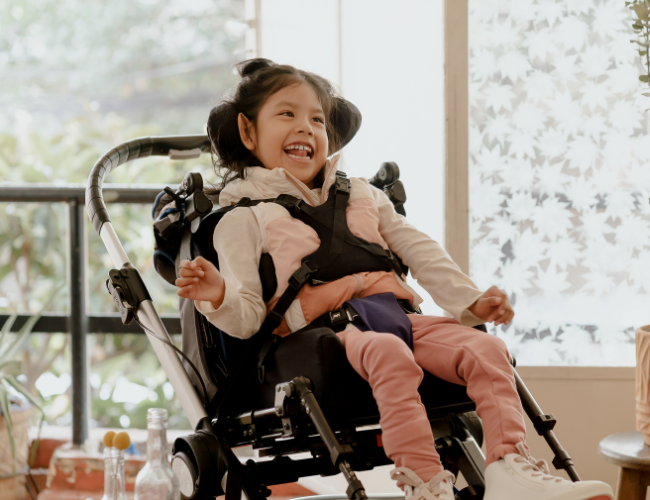
Special Education at EarlySteps blends therapeutic goals with academic supports. We design individualized learning plans (IEPs) that bridge gaps in learning, develop literacy and numeracy skills, and support classroom participation using differentiated instruction and multi-sensory teaching methods.

Special Education focuses on functional academics, adaptive learning strategies, and classroom readiness. Goals are tailored to each child's strengths and include measurable academic and social milestones.
We use curriculum-based assessments, classroom observations, and teacher-parent collaboration to create IEPs. Each plan includes accommodations, targeted teaching strategies, and progress metrics. Regular team meetings ensure alignment across home and school environments.
Identify gaps and scaffold learning across domains.
Clear objectives, accommodations, and success criteria.
Train classroom staff on strategies and modifications.
Practical tools to support learning at home.
Instruction uses explicit teaching, visual supports, chunking tasks, and multi-modal practice. We blend therapy goals (speech, OT, ABA) into the classroom routine for an integrated approach.
Students supported through Special Education show gains in reading, math, task completion, and classroom engagement. Importantly, they learn strategies to succeed independently and build confidence in learning environments.
Stronger decoding, comprehension, and vocabulary through structured programs.
Stepwise instruction increases number sense and problem-solving.
Students access mainstream classrooms with supports and accommodations.
Our Autism Support program is a holistic suite of services for children on the autism spectrum. We integrate evidence-based therapies—ABA, speech-language therapy, occupational therapy, social skills groups—and provide family coaching to promote learning, communication, and meaningful participation.

Interventions aim to increase functional communication, reduce barriers to learning, and support emotional regulation. Goals are individualized and prioritize meaningful outcomes—better family routines, school participation, and peer relationships.
We perform multidisciplinary assessments—developmental, speech and language, sensory profiles, and behavior analysis—then design an integrated plan. Families are partners in goal-setting and in carrying strategies into daily life.
Comprehensive view across communication, behavior, and sensory domains.
Coordinated goals across therapy disciplines to ensure consistency.
Practical strategies for home, community, and school routines.
Support for IEPs, classroom adaptations, and teacher training.
We select approaches based on each child’s profile—what helps them learn and engage fastest. The emphasis is on positive, skill-building strategies that generalize beyond the clinic.
Families observe changes in communication, fewer sensory meltdowns, improved participation at home and school, and richer social connections. Our goal is sustainable progress—skills that enable a child to enjoy relationships and learning.
Using words, signs, or devices to express needs and ideas.
Smoother mornings, mealtimes, and bedtime with consistent strategies.
Children participate more with peers and feel included in activities.
Our work is guided by compassion and science—progress happens when families and therapists work together with clear goals and consistent routines.

Copyright. All Rights Reserved by Early Steps