Detailed, compassionate, and evidence-based therapy descriptions to help you choose the right support for your child. Each program includes goals, techniques, real-life examples, and how families can participate.

Occupational Therapy (OT) at EarlySteps focuses on enabling children to engage meaningfully in daily life. OT addresses physical coordination, sensory processing, self-care tasks (dressing, eating, toileting), school skills (handwriting, attention), and play. Our work is child-centered and play-based — each session is tailored to the child’s interests so learning happens effortlessly.
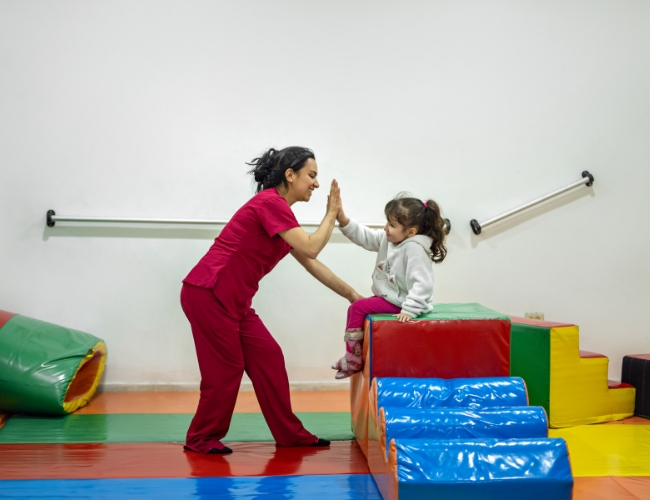
OT builds competence in areas that matter: fine motor control for writing and feeding, gross motor skills for balance and play, sensory processing for emotional regulation, and independence in daily routines. Goals are functional and measurable — we convert "can't do" into "can do" through progressive skill building.
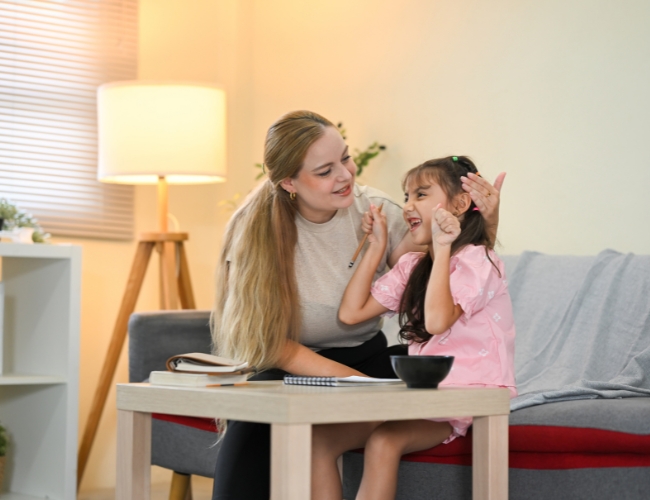
Our process blends clinical assessment with playful intervention. We begin with a full evaluation (standardized tests, parent interviews, observation) and then build an individualized plan with short-term milestones, parent training, and environmental recommendations (home/school).
Standardized measures + functional observation to identify strengths and barriers.
Collaborative targets written in parent-friendly language and monitored weekly.
Warm, play-based sessions using sensory equipment, fine-motor stations and adaptive tasks.
Simple, practical strategies parents can use daily to generalize skills.
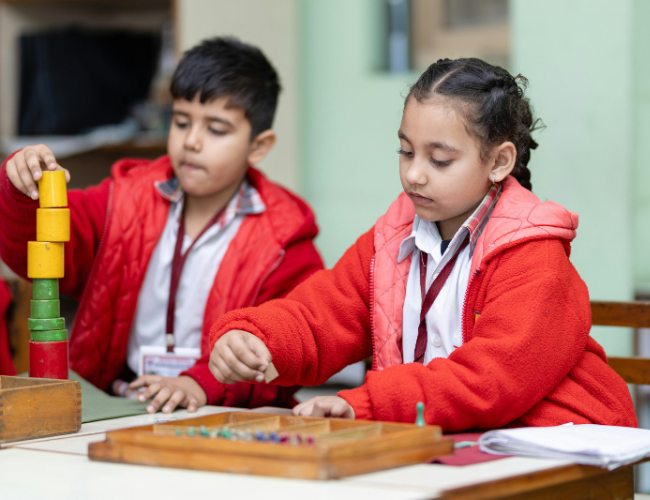
OT outcomes are measured by daily life improvements: dressing with minimal help, participating in school activities, eating independently, and enjoying playground time. Below are examples that illustrate meaningful change.
Children who struggled to hold a pencil began writing legibly with improved posture and stamina.
Sensory strategies allowed a child to enjoy group play without meltdowns, improving peer relationships.
Independence in dressing and feeding reduced morning stress for families and increased the child’s self-esteem.
Therapy is not just about skills — it's about freedom to participate, to belong, and to enjoy childhood.
.jpg)
Applied Behavior Analysis (ABA) is a structured, evidence-based approach that teaches skills and reduces behaviors that interfere with learning. ABA focuses on observable behaviors and uses data-driven strategies to build communication, independence, and social interaction in children with ASD and related developmental differences.
.jpg)
ABA helps children acquire communication skills, reduce challenging behaviors, and develop routines that support learning. Goals often focus on social skills, expressive language, adaptive living skills, and independence.
.jpg)
ABA is meticulously measured. We start with a comprehensive Functional Behavior Assessment (FBA) and skill assessment, then design a teaching plan. Progress is tracked daily and modified based on outcomes — ensuring efficient learning and real-world generalization.
Identify triggers and functions of behavior; map learning priorities.
Clear objectives, session structure, and measurable mastery criteria.
Continuous monitoring enables us to visualize progress and adjust teaching intensity.
Teach skills in multiple settings — therapy room, home, and school — so learning transfers.
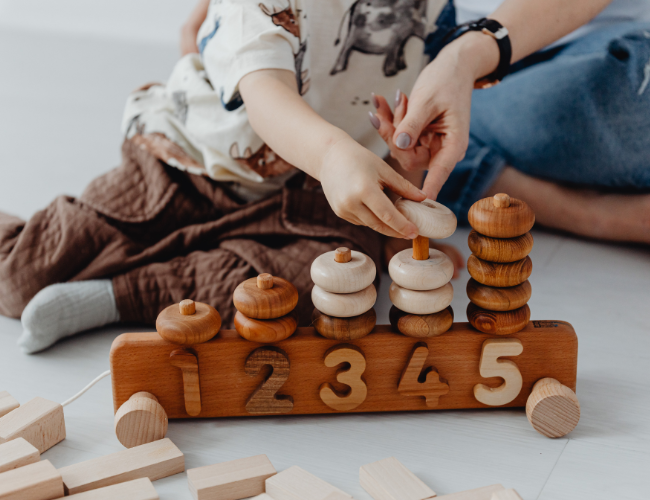
ABA combines many teaching methods. Our clinicians select techniques appropriate for the child's age, learning style, and goals.
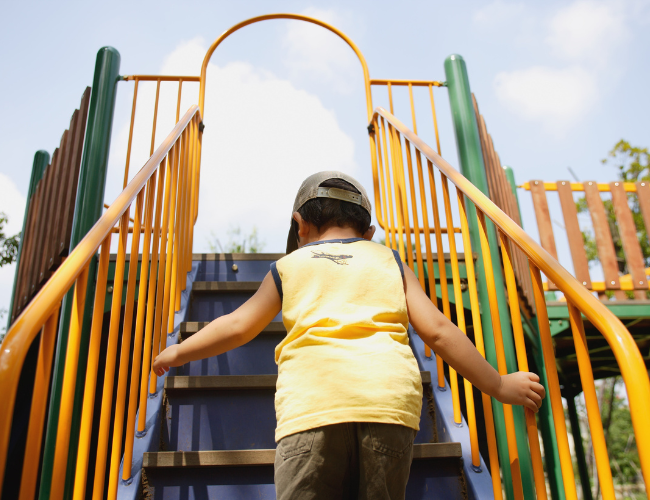
Families often see improvements in communication, fewer meltdowns, better participation in routines, and increased independence. ABA outcomes are measurable — small gains accumulate into meaningful life changes.
From single-word requests to short sentences and conversational turns.
Reduced tantrums and self-injury through teaching alternatives and reinforcing positive behaviors.
Improved classroom engagement, ability to follow instructions, and participate in group learning.
Parents are co-therapists: we provide training, home strategies, and weekly progress notes so gains extend beyond therapy hours.
.jpg)
Cognitive Behavioral Therapy (CBT) focuses on the relationship between thoughts, feelings, and actions. For children, CBT uses age-appropriate tools—stories, games, role-play—to identify unhelpful thought patterns and teach practical coping skills that reduce anxiety and increase resilience.
.jpg)
CBT aims to empower children with tools to notice thought patterns, challenge unhelpful beliefs, and practice new responses. Goals are practical: reduced worry, improved problem-solving, better sleep, and calmer reactions to change.
.jpg)
CBT sessions are collaborative and playful. Therapists use stories, comic-strip conversations, thought charts, and role-play to help children externalize worries and test new behaviors. Parents are given tools to reinforce skills at home and in school.
Understand triggers, intensity, and impact of anxious thoughts.
Breathing, grounding, re-framing, and graded exposure to feared situations.
In-session role-play combined with real-life homework to practice skills.
Weekly measurement and adaptation of techniques to ensure progress.

CBT is highly practical and tailored to a child’s developmental level. Techniques are presented as games or stories so children engage willingly.
CBT empowers both child and family. Children develop better emotional regulation and confidence; families gain communication tools to respond calmly and reinforce coping skills. Over time, the child experiences fewer avoidance behaviors, improved sleep, and enhanced social participation.
Measured drop in worry scores and increased participation.
Calming tools promote consistent bedtime and less nighttime anxiety.
Stronger peer interactions and willingness to try new activities.

Copyright. All Rights Reserved by Early Steps